Injection Molding Machine Screw Barrel Maintenance: A Practical Guide for Stable Plasticizing
2026-06-04 09:00:03
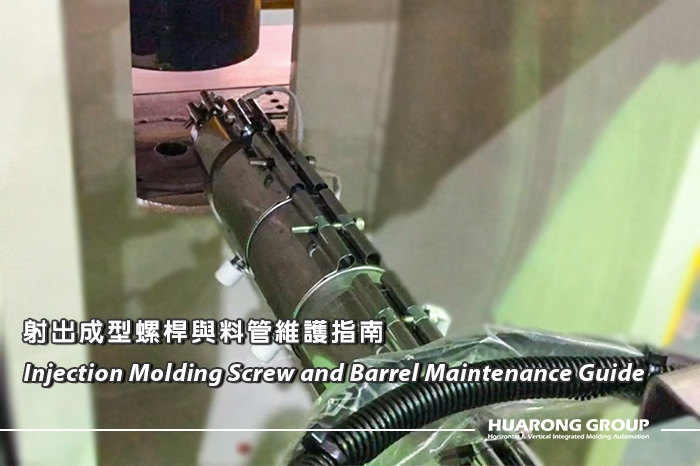
The screw and barrel are key components of an injection molding machine, responsible for conveying, compressing, melting, mixing, and metering plastic. Their operating conditions influence plasticizing efficiency, melt uniformity, and are crucial for product dimensional accuracy, surface quality, and molding stability. Often called the "heart" of the machine, their performance critically impacts production quality.
However, screw and barrel assemblies operate under high-temperature, high-pressure, and high-shear conditions for long periods, making them prone to wear, corrosion, carbon buildup, or uneven wear. When performance declines, issues like black specks, color variation, unstable shot weight, uneven plasticization, or defects may occur, leading to unplanned downtime and high repair costs. A comprehensive maintenance program helps maintain machine performance, improve product quality, extend equipment life, and reduce costs.
Injection molding machine screw barrel maintenance refers to the regular inspection, cleaning, protection, measurement, and repair of the screw and barrel system inside the injection unit. This system is responsible for conveying, compressing, melting, mixing, metering, and preparing plastic material before it is injected into the mold.
In an injection molding machine, the screw and barrel are crucial to the plasticizing system. Their condition impacts melt uniformity, shot stability, surface quality, and long-term production. Proper maintenance ensures smoother processing, fewer defects, and stable output. Neglect causes wear, corrosion, buildup, and degradation, leading to higher scrap, downtime, and costs.
For injection molding businesses, screw barrel maintenance should not be treated as a single repair activity. It should be managed as part of a preventive maintenance system that includes cleaning, purging, temperature control, screw wear measurement, barrel bore inspection, check ring inspection, material selection, and processing parameter review.
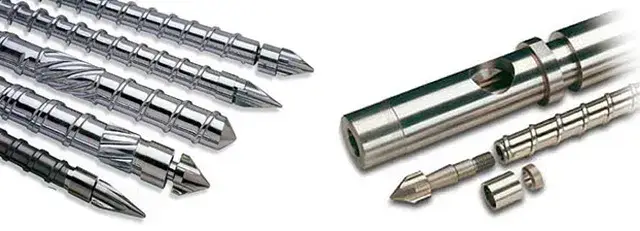
The screw and barrel control how plastic material changes from solid pellets into a consistent melt. Before the plastic enters the mold, it must pass through several important stages inside the barrel.
Plastic pellets enter the feed section from the hopper. As the screw rotates, the material is pushed forward into the heated barrel. Stable conveying helps maintain a consistent production rhythm and prevents feeding instability.
If material conveying becomes unstable, the machine may show uneven plasticizing time, inconsistent shot size, or poor recovery stability. Common causes include feed throat problems, material bridging, contaminated raw material, improper screw design, or excessive wear in the feed section.
As the material moves forward, the screw channel gradually compresses the plastic. The material is heated by both barrel heaters and shear heat generated during screw rotation. This stage is important because incomplete melting may cause unmelted pellets, silver streaks, weak mechanical properties, or poor surface appearance.
A healthy screw and barrel system supports efficient melting without excessive shear. When the screw or barrel is worn, the machine may require higher screw speed, higher back pressure, or longer plasticizing time to achieve the same melt condition.
The screw also helps disperse color masterbatch, additives, recycled material, and different polymer components. Good mixing performance improves melt consistency and reduces color streaks, uneven gloss, material separation, and variation in product performance.
When screw flights are worn or carbon buildup exists inside the barrel, the melt may become less uniform. This can cause color variation, black specks, contamination, or unstable product appearance.
After plasticization is completed, the screw retracts and stores a measured volume of molten plastic in front of the screw. This material will be injected into the mold in the next cycle. Stable metering is especially important for precision parts, thin wall products, optical components, medical parts, and products with strict weight tolerance.
If the screw, barrel, check ring, or screw tip is worn, the machine may experience unstable cushion position, shot weight variation, short shots, or inconsistent product dimensions.
Screw and barrel wear usually develops gradually. Many factories only notice the problem after product defects become frequent. A proper maintenance program helps identify early changes before they turn into serious machine failures.
| Maintenance Benefit | Practical Value for Production |
|---|---|
| Improved product quality | Reduces black specks, color variation, burn marks, silver streaks, and unmelted particles |
| Stable plasticizing performance | Maintains consistent melt quality, shot weight, and recovery time |
| Longer equipment life | Slows down screw flight wear, barrel bore wear, and surface damage |
| Lower downtime risk | Reduces unexpected production stoppages caused by severe wear or contamination |
| Lower maintenance cost | Allows planned inspection, repair, or replacement before emergency failure |
| Better energy efficiency | Reduces unnecessary heating, shear, and extended plasticizing time |
| Higher process consistency | Supports stable molding conditions across long production runs |
The service life of a screw and barrel is not fixed. It depends on processed material, machine size, screw design, production volume, temperature control, back pressure, screw speed, and maintenance discipline.
Materials containing glass fiber, carbon fiber, mineral filler, calcium carbonate, ceramic powder, or other hard additives can continuously abrade the screw and barrel surface during plasticizing.
Typical examples include:
| Material Type | Wear Risk |
|---|---|
| Glass fiber reinforced PA | High |
| Glass fiber reinforced PP | High |
| Carbon fiber reinforced engineering plastic | Very high |
| Mineral filled PP or PE | Medium to high |
| Flame retardant engineering plastic | Depends on formulation |
| Recycled plastic with contamination | Unstable, requires inspection |
For long-term abrasive production, wear-resistant screws and bimetallic barrels should be considered. A standard screw and barrel may work for general materials, but it may wear quickly when used for high filler or glass fiber production.
Some materials may release corrosive gases during high-temperature processing or thermal degradation. PVC, flame-retardant plastics, halogen-containing compounds, and certain engineering plastics can increase the risk of corrosion.
Corrosion may cause pitting, oxidation, surface roughening, and melt contamination. Once the barrel or screw surface becomes rough, degraded material can remain in the damaged areas, leading to black specks or unstable melt quality.
For corrosive materials, corrosion-resistant screw and barrel materials, proper temperature control, and thorough purging before shutdown are important.
Incorrect molding parameters can accelerate screw and barrel wear. Common examples include:
| Improper Setting | Possible Result |
|---|---|
| Excessive barrel temperature | Material degradation, carbon buildup, discoloration |
| Excessive back pressure | Higher shear heat, higher screw load, faster wear |
| Excessive screw speed | More friction, possible fiber breakage, unstable melt temperature |
| Too low barrel temperature | Poor melting, higher mechanical load, and unmelted pellets |
| Long residence time | Material degradation, black specks, odor |
| Incomplete purging | Residual resin, color contamination, carbon deposits |
Processing parameters should not be adjusted only for short-term output. If the machine requires more back pressure, a higher screw speed, or a higher temperature than before to achieve the same product quality, the screw and barrel conditions should be checked.
The screw and barrel must remain properly aligned during operation. If the screw and barrel centerline is misaligned contact and localized wear may occur. This may lead to abnormal noise, vibration, unstable plasticization, and accelerated component damage.
Concentricity should be checked after major maintenance, screw or barrel replacement, machine relocation, or the discovery of abnormal wear.
Metal fragments, dirty regrind, bolts, hard particles, and other foreign objects can scratch the screw and barrel surface. Even a single hard contaminant can cause serious localized damage.
A hopper magnet, a clean material-handling process, and proper regrind management can reduce the risk of foreign-object damage.
If plastic material remains in the barrel under high temperature for too long, it may degrade and form carbon deposits. This is a common cause of black specks, color contamination, and difficulty achieving color changes.
Proper purging and shutdown protection are essential, especially when processing heat-sensitive materials, dark colors, flame-retardant materials, PVC, or engineering plastics.
Understanding the failure mode helps maintenance teams take the correct action.
Wear is the most common screw and barrel failure mode. It can occur on screw flights, screw root, barrel bore, screw tip, and check ring area.
Common symptoms include:
| Symptom | Possible Meaning |
|---|---|
| Longer plasticizing time | Reduced plasticizing efficiency or screw wear |
| Shot weight fluctuation | Check ring wear, screw tip wear, or barrel front wear |
| Unstable product weight | Poor metering or backflow during injection |
| Lower production output | Reduced recovery efficiency |
| More frequent defects | Poor melt uniformity or contamination |
Corrosion damages the metal surface and may create pitting or rough areas. These areas can trap degraded resin and contaminate the melt.
Common symptoms include:
| Symptom | Possible Meaning |
|---|---|
| Black specks | Carbonized resin trapped in rough areas |
| Melt contamination | Corroded or rough internal surface |
| Poor color change | Material trapped in damaged surface |
| Unstable surface quality | Melt degradation or contamination |
Carbon buildup occurs when plastic stays inside a high temperature area for too long or when material degrades due to excessive heat, long residence time, or poor purging.
Common symptoms include:
| Symptom | Possible Meaning |
|---|---|
| Black specks | Degraded resin or carbon deposits |
| Burn marks | Overheated material or trapped degraded resin |
| Color variation | Residual material from previous production |
| Long color change time | Resin trapped inside screw, barrel, nozzle, or hot runner |
The screw operates under repeated torque, pressure, heat, and mechanical stress. Long term high load operation may cause cracks, bending, deformation, or fracture.
Common symptoms include:
| Symptom | Possible Meaning |
|---|---|
| Abnormal noise | Mechanical damage or contact |
| Vibration | Misalignment, bending, or bearing issue |
| Sudden plasticizing instability | Structural damage |
| Screw rotation difficulty | Severe wear, foreign object, or mechanical failure |
Foreign objects can directly scratch the screw and barrel surface. This type of damage may happen suddenly and may lead to abnormal noise, metal particles, or severe scoring.
If metal contact or foreign object damage is suspected, production should be stopped for inspection.
Many screw and barrel problems appear first as process changes. A factory should not wait until the component fails completely. The following warning signs should trigger inspection.
| Warning Sign | What to Check First |
|---|---|
| Increased black specks | Purging condition, residence time, temperature, carbon buildup |
| Color variation | Screw mixing condition, residual material, masterbatch dispersion |
| Longer color change time | Carbon deposits, dead spots, worn surfaces |
| Unstable shot weight | Check ring, screw tip, barrel front section |
| Longer plasticizing time | Screw wear, barrel wear, heater bands, material feeding |
| Abnormal melt temperature | Heater control, screw speed, back pressure, residence time |
| Increased noise or vibration | Concentricity, foreign objects, screw bending, and mechanical contact |
| Higher reject rate across several molds | Injection unit and plasticizing system condition |
If two or more warning signs appear simultaneously, a complete inspection should be arranged. For example, black specks and a longer color change time may indicate carbon buildup or surface roughness. Shot-weight fluctuations and an unstable cushion may indicate check-ring wear or front-of-barrel wear.
Many quality problems are caused by poor cleaning rather than serious mechanical damage. A systematic cleaning procedure can reduce contamination, protect component surfaces, and improve production stability.
Before cleaning, confirm that the machine is in a safe operating condition. Operators should follow the factory safety procedure and wear proper protective equipment. The barrel temperature should match the requirements of the resin and purging material.
Remove as much remaining plastic as possible from the barrel. This reduces the amount of degraded material left inside the plasticizing system.
Select a purging compound that is compatible with the processed plastic and temperature range. Not every purging compound is suitable for every resin. For example, high-temperature engineering plastics, PVC, clear materials, dark-colored materials, and flame-retardant materials may require different cleaning approaches.
Run the screw at a controlled low speed during cleaning. Excessive screw speed can create unnecessary shear heat and additional wear. A stable and controlled purging process is better than forcing material out quickly.
Continue purging until the discharged material becomes clean and stable. If black specks or discoloration continue after sufficient purging, the screw, barrel, nozzle, check ring, or hot runner may require deeper inspection.
If the machine will remain idle for an extended period, use a suitable heat-stable purging material or follow the material supplier’s shutdown recommendation. This reduces the chance of resin degradation inside the barrel.
Improper cleaning methods may damage precision surfaces and shorten screw barrel life.
Avoid the following practices:
- Do not use open flame to burn residual material from the screw.
- Do not scrape precision screw surfaces with hard steel tools.
- Do not use incompatible materials together during purging.
- Do not keep the barrel empty under high temperature for a long time.
- Do not rotate the screw before the barrel reaches proper processing temperature.
- Do not use excessive screw speed to force out contamination.
- Do not ignore repeated black specks after several cleaning cycles.
- Do not continue production if abnormal metal noise appears.
A preventive maintenance schedule should be based on material type, production volume, operating hours, and quality requirements.
| Processed Material | Recommended Inspection Interval |
|---|---|
| Carbon fiber reinforced materials | Every 3 months |
| Glass fiber reinforced materials | Every 3 to 6 months |
| Corrosive or flame retardant materials | Every 3 to 6 months |
| General engineering plastics | Every 6 months |
| Commodity plastics | Every 6 to 12 months |
These intervals are practical references. Actual inspection frequency should be adjusted according to machine condition, defect trends, process data, and maintenance history.
A complete inspection should include both physical measurement and process performance review.
Important screw inspection items include:
- Screw outside diameter measurement
- Screw flight edge condition
- Screw root surface condition
- Mixing section condition
- Screw tip condition
- Check ring seat condition
- Surface coating condition
- Carbon buildup
- Cracks, bending, or deformation
Screw wear should be measured at multiple positions. Comparing current measurements with original specifications helps determine whether polishing, hardfacing, replating, or replacement is needed.
Important barrel inspection items include:
- Barrel inside diameter measurement
- Barrel bore wear
- Front section wear near the screw tip and check ring area
- Surface scoring or scratches
- Corrosion pitting
- Heater band contact condition
- Thermocouple condition
- Nozzle seat condition
The front section of the barrel is especially important because injection pressure and check ring movement can affect shot stability.
The check ring prevents molten plastic from flowing backward during injection. If the check ring, screw tip, or seat is worn, shot weight may become unstable.
Common signs of check ring problems include:
- Unstable cushion position
- Shot weight fluctuation
- Short shots
- Poor packing
- Dimensional variation
- Inconsistent injection pressure response
When these symptoms appear, the check ring should be inspected before assuming the entire screw and barrel must be replaced.
To extend screw and barrel service life, we recommend the following practices:
- Select screw and barrel materials according to processed resin.
- Use wear resistant screws and bimetallic barrels for abrasive materials.
- Use corrosion resistant components for PVC, flame retardant materials, and corrosive compounds.
- Keep raw material clean and dry.
- Install and clean hopper magnets regularly.
- Control barrel temperature according to material requirements.
- Avoid excessive screw speed.
- Avoid unnecessary high back pressure.
- Reduce long residence time.
- Purge thoroughly before shutdown.
- Use compatible purging compounds.
- Record plasticizing time, cushion position, shot weight, and defect trends.
- Inspect the check ring when shot weight becomes unstable.
- Verify concentricity after major maintenance.
- Plan preventive inspection based on material severity.
- Train operators to report early warning signs.
- Review process changes before assuming mold or material failure.
- Schedule refurbishment before severe damage occurs.
The inspection interval depends on the material. Carbon fiber reinforced materials may require inspection every 3 months. Glass fiber materials may require inspection every 3 to 6 months. Engineering plastics may require inspection every 6 months. Commodity plastics may be inspected every 6 to 12 months.
Common signs include longer plasticizing time, unstable shot weight, unstable cushion position, black specks, color variation, poor melt uniformity, abnormal noise, and increased product defects.
Not always. Minor wear may be restored through polishing or surface treatment. Localized wear may be repaired by hardfacing. Severe bending, cracking, deformation, or repeated instability usually requires replacement.
The check ring prevents molten plastic from flowing backward during injection. If the check ring or screw tip is worn, the machine may show unstable cushion, shot weight variation, short shots, and poor packing performance.
Injection molding machine screw barrel maintenance is essential for stable plasticizing, consistent melt quality, and reliable production. The screw and barrel system controls how plastic material is conveyed, melted, mixed, metered, and prepared for injection. When this system is clean, properly aligned, and within acceptable wear limits, the machine can maintain stable shot weight, better product quality, and predictable cycle performance.
Wear, corrosion, carbon buildup, fatigue damage, and foreign object damage do not usually occur in isolationoccur in isolation. They are often reflected through black specks, color variation, longer plasticizing time, unstable shot weight, abnormal noise, and increased defect rates. By monitoring these warning signs and building a preventive maintenance program, factories can reduce unexpected downtime and extend the service life of key injection unit components.
For injection molding manufacturers and production teams, the most effective strategy is to combine proper material selection, correct processing parameters, regular cleaning, data recording, periodic inspection, and timely refurbishment or replacement. This approach helps maintain long-term molding stability, improve equipment reliability, and support more efficient production management.
- Group Name: Huarong Group
- Brand: Huarong, Yuhdak, Nanrong
- Service Offerings: Injection Molding Machine, Vertical Injection Molding Machine, Injection Molding Automation
- Tel: +886-6-7956777
- Address: No.21-6, Zhongzhou, Chin An Vil., Xigang Dist., Tainan City 72351, Taiwan
- Official Website: https://www.huarong.com.tw/